




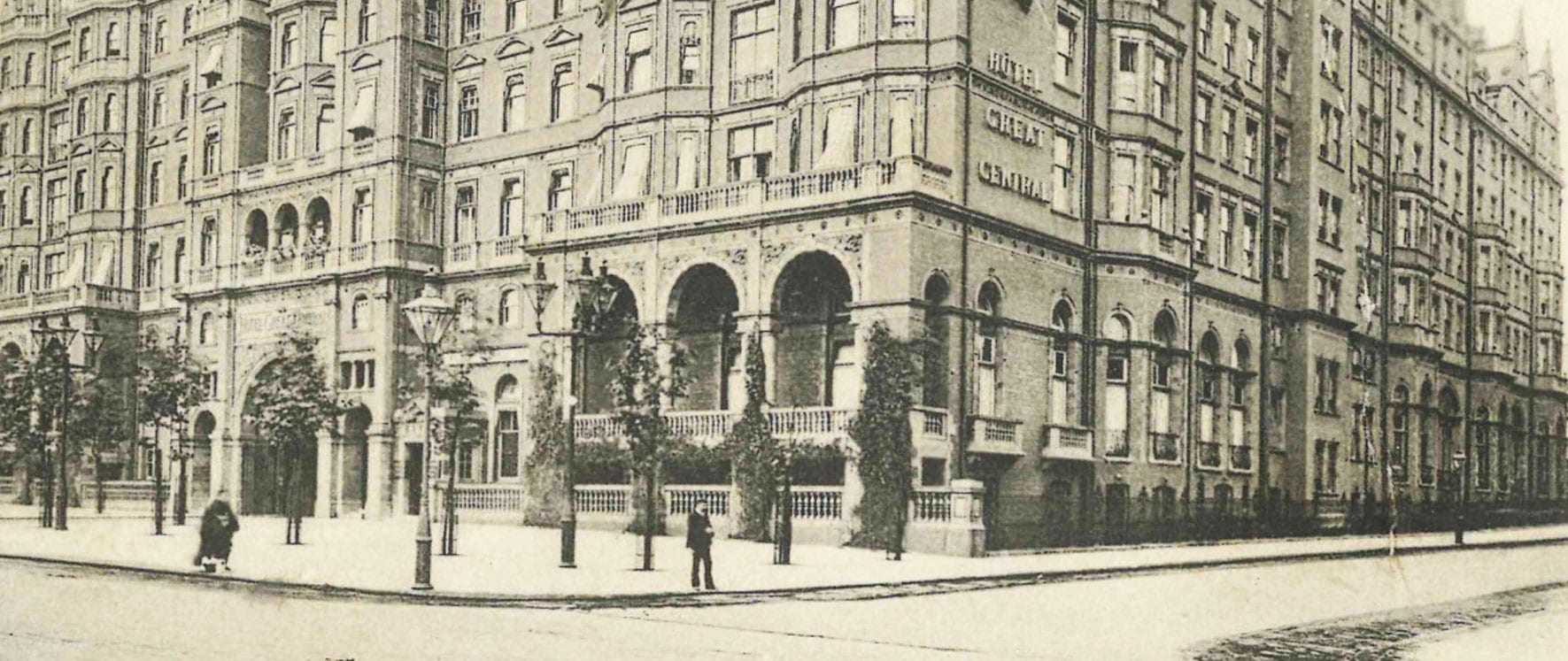
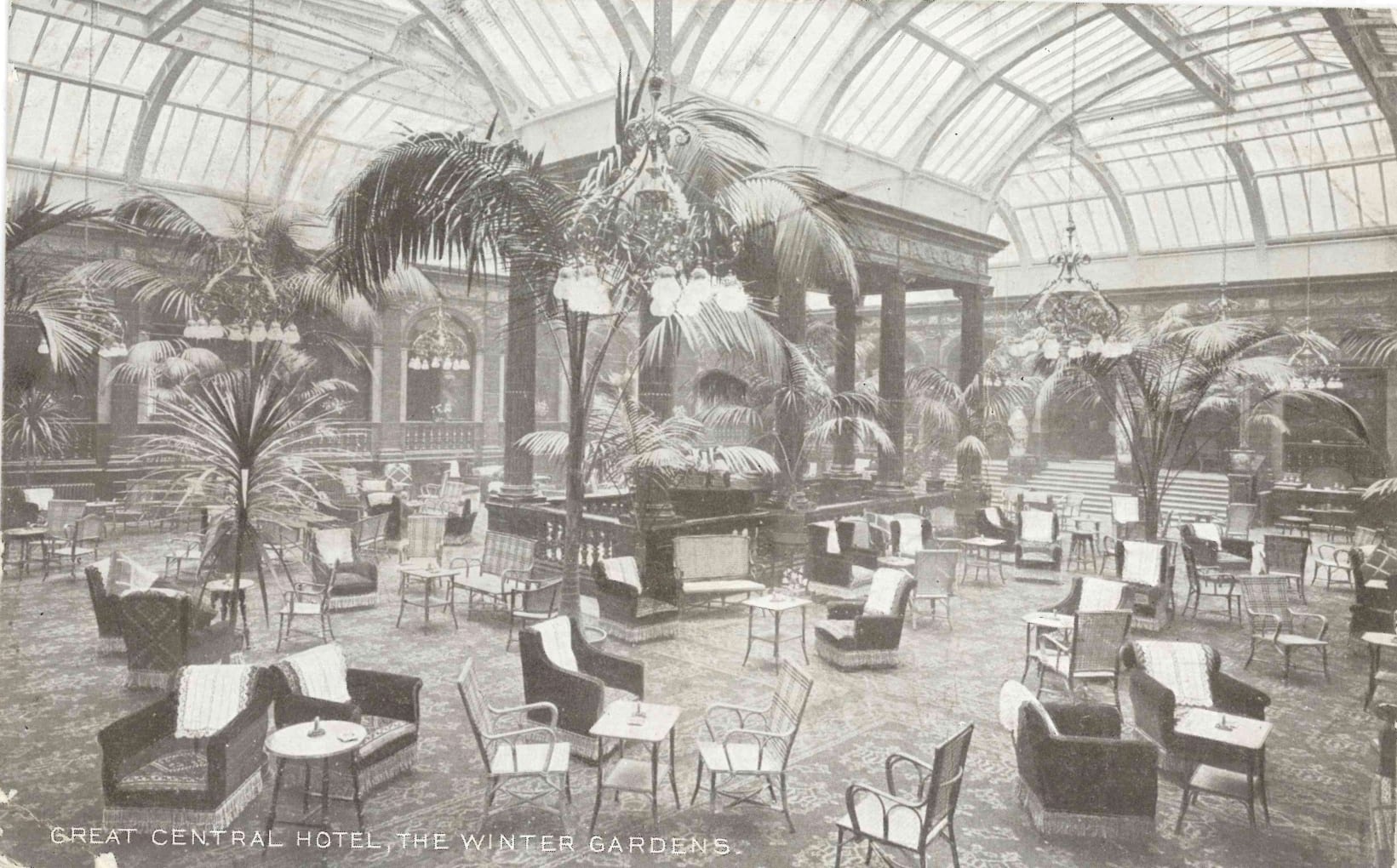

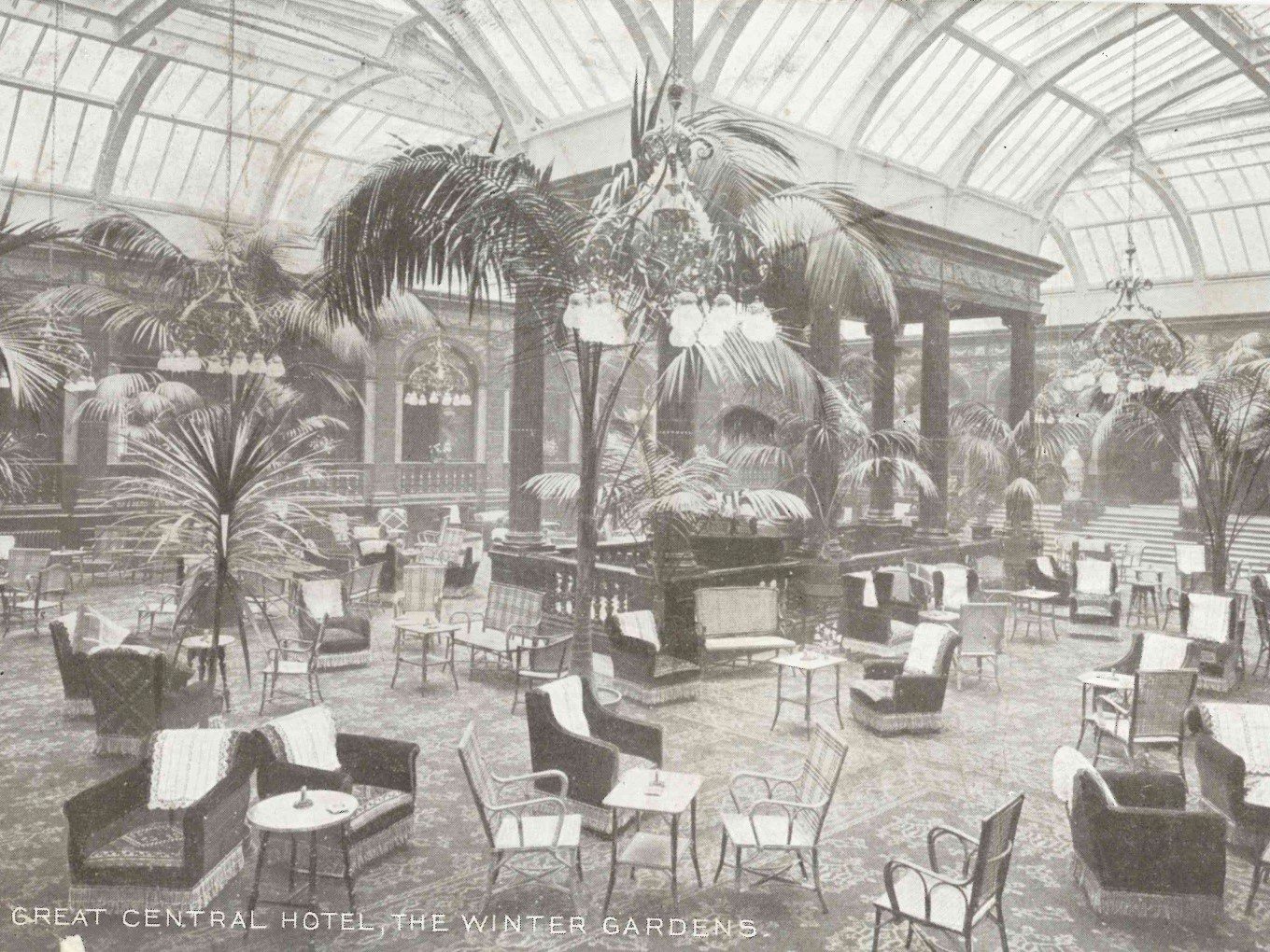
The Landmark London was originally opened on the 1st July 1899 as the Great Central Hotel, establishing standards of luxury and magnificence ever since. The hotel was built around a vast courtyard that brought light and air into every bedroom, a rare feature in London, and for over a century its glass roof and airy interior have created a dramatic entrance that continues to awe guests today.
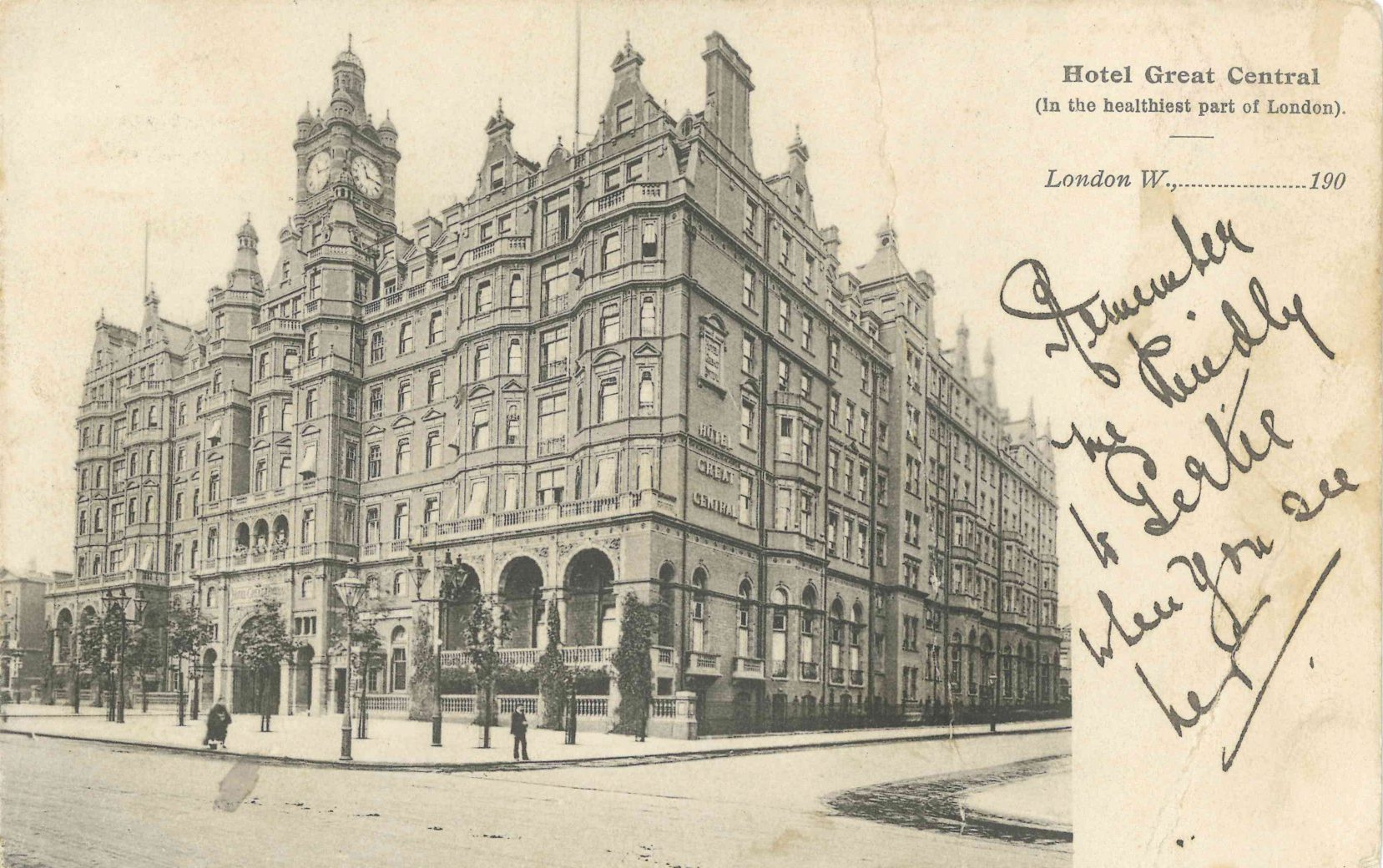
1894 – Sir Edward Watkin was a prominent figure in the late 19th-century railway industry, known as the “Last King of the Railways”. He aimed to unite various railway lines to create the Great Central Railway. As a centrepiece for this new railway, Watkin planned for Marylebone Station to be a major hub, accompanied by a grand, luxury hotel.
1895 – Sir John Blundell Maple, Chairman of Maple Furnishers bought the site and began construction of the hotel. Guests impressed by the furnishings during their stay at the hotel would be able to purchase the very same pieces directly in his store in Marylebone Station.
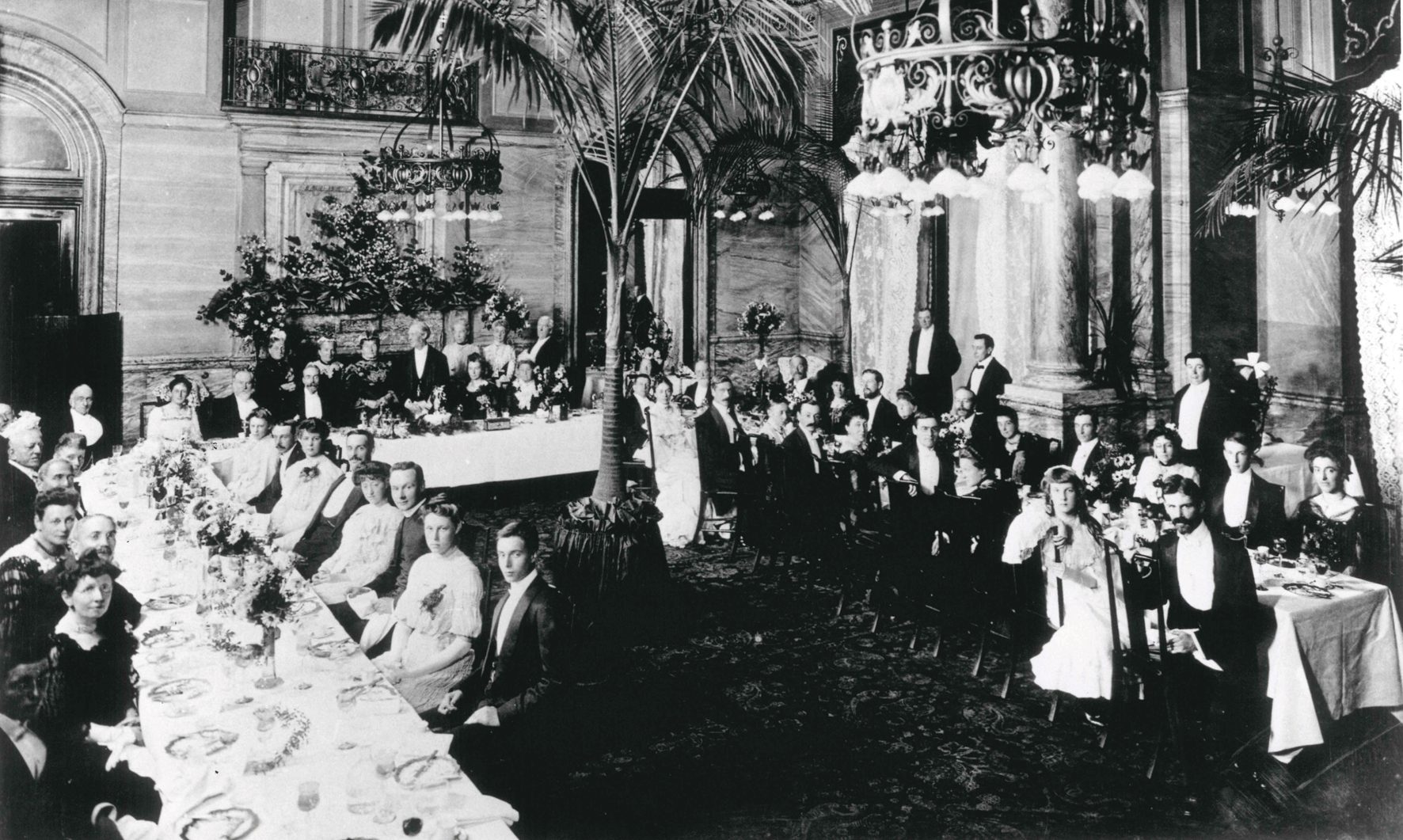
1899 – Designed by Colonel Robert Edis, the Great Central Hotel was opened in July 1899 as an exceptionally opulent and luxurious railway hotel, setting a standard for the era. The hotel was built around a magnificent Winter Garden, a towering courtyard atrium designed for grand arrivals by horse and carriage. The building has originally 700 rooms and a cycle track around the roof.
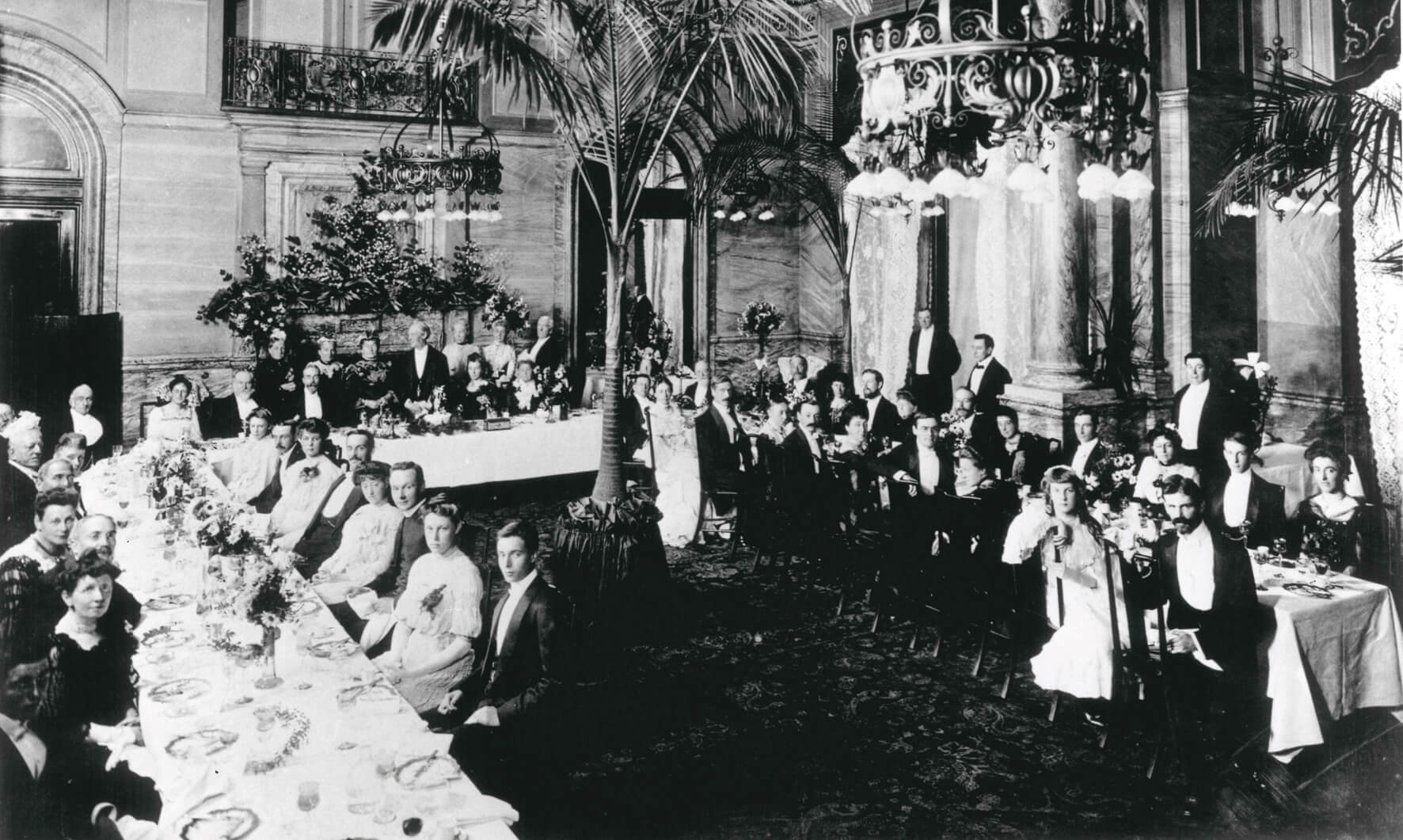
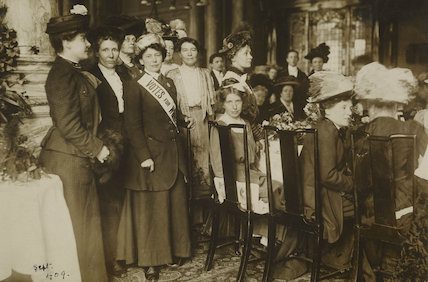
1908 – On the 20 March 1908, The Great Central Hotel hosted a “Welcome Back from Prison” breakfast for Emmeline Pankhurst, the leading British women’s rights activist and suffragette. She had been released the day before from Holloway prison, where she was being held as political prisoners with other suffragettes. To pay homage to Emmeline Pankhurst and this important historical moment, the hotel has showcased her bust in the hotel, located in their Marble Hall.
Between 1902 and 1910 major changes were made to the design of the courtyard. As large winter gardens became fashionable, the entrance to the courtyard was blocked up and the entire central space was turned into a huge winter garden with a dance floor in the centre.
1914 – In World War I the building is requisitioned by Government for use as a convalescent home for officers returning from the war front.
1918 – The building is returned to its former use as a hotel.
1939 – In World War II the building is again requisitioned by Government for use by British Military Intelligence and as an air raid shelter.
1945 – The building was bought by The London North Eastern Railway Company, soon after to become the headquarters for the British Railways Board, nicknamed the ‘The Kremlin’ by its employees.
1988 – The Japanese pop star Sen Masao, also known as Kentaro Abe, purchased the hotel and started construction work in 1989.
1991 – The building was bought by Hazama Corporation Ltd and restoration continued. A new eight-storey roof was added to the Winter Garden making it the breathtaking and sought after space we know today.
1993 – The hotel reopened as the Regent and was part of the Four Seasons Group.
1995 – The hotel is purchased by The Lancaster Landmark Hotel Company owned by Khun Jatuporn Sihanatkathakul, a prominent Thai businessman and hotelier. It is named The Landmark London and remains part of the Lancaster Hotel Group today.
2008 – The Landmark London became a member of the Leading Hotels of the World, the largest collection of independent luxury hotels across more than 80 countries.